Hiking in Dubrovnik, Croatia: 8 Best Walks and Island Trails
Eight walks from the old town gates and the island ferries, each with its real distance, elevation gain, 2026 ticket and the boat that gets you there.
Quick links
Don't want to read all this?
We've planned 2,000+ hiking trips. Send your dates, fitness and group size — we'll map the route and book every night.



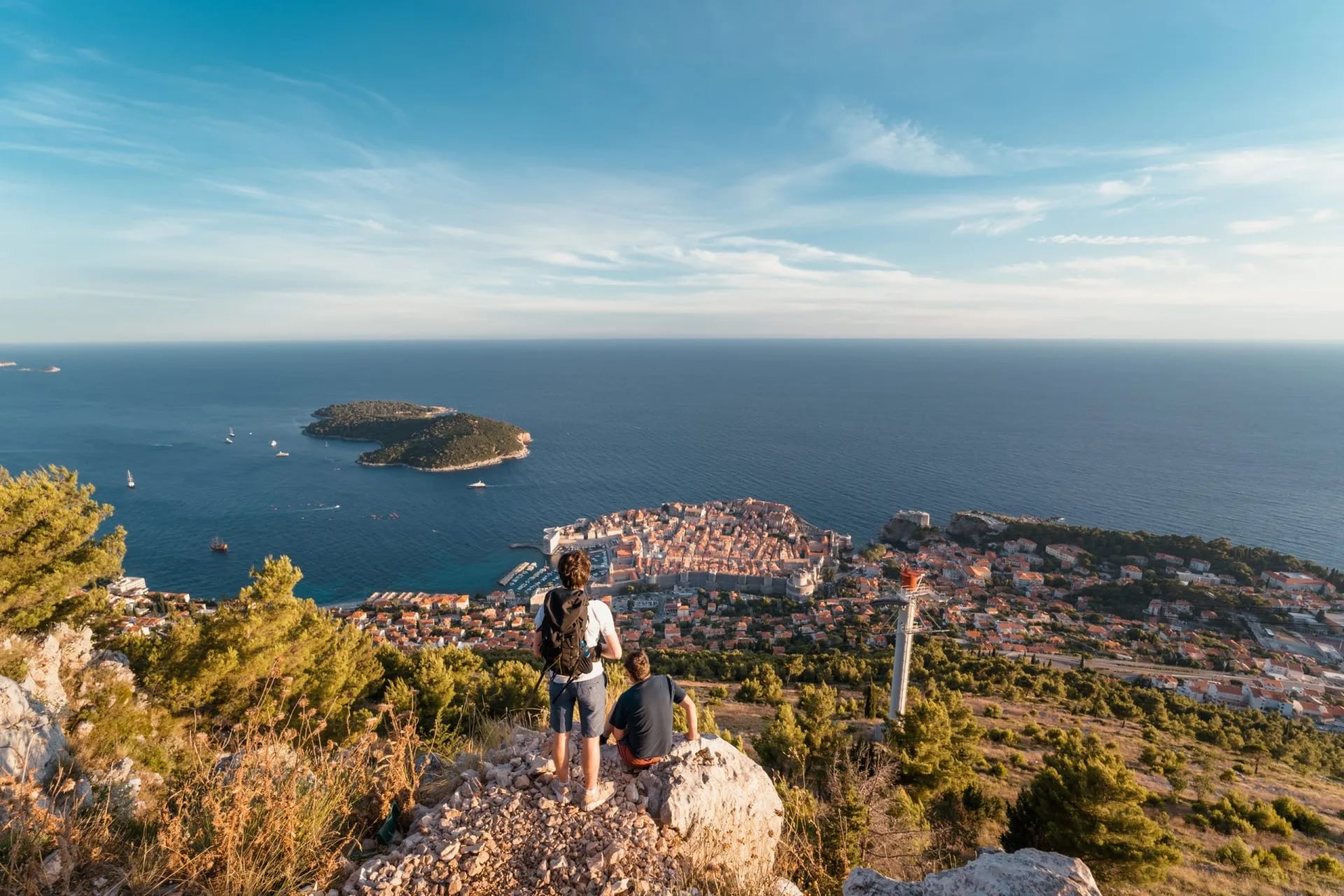
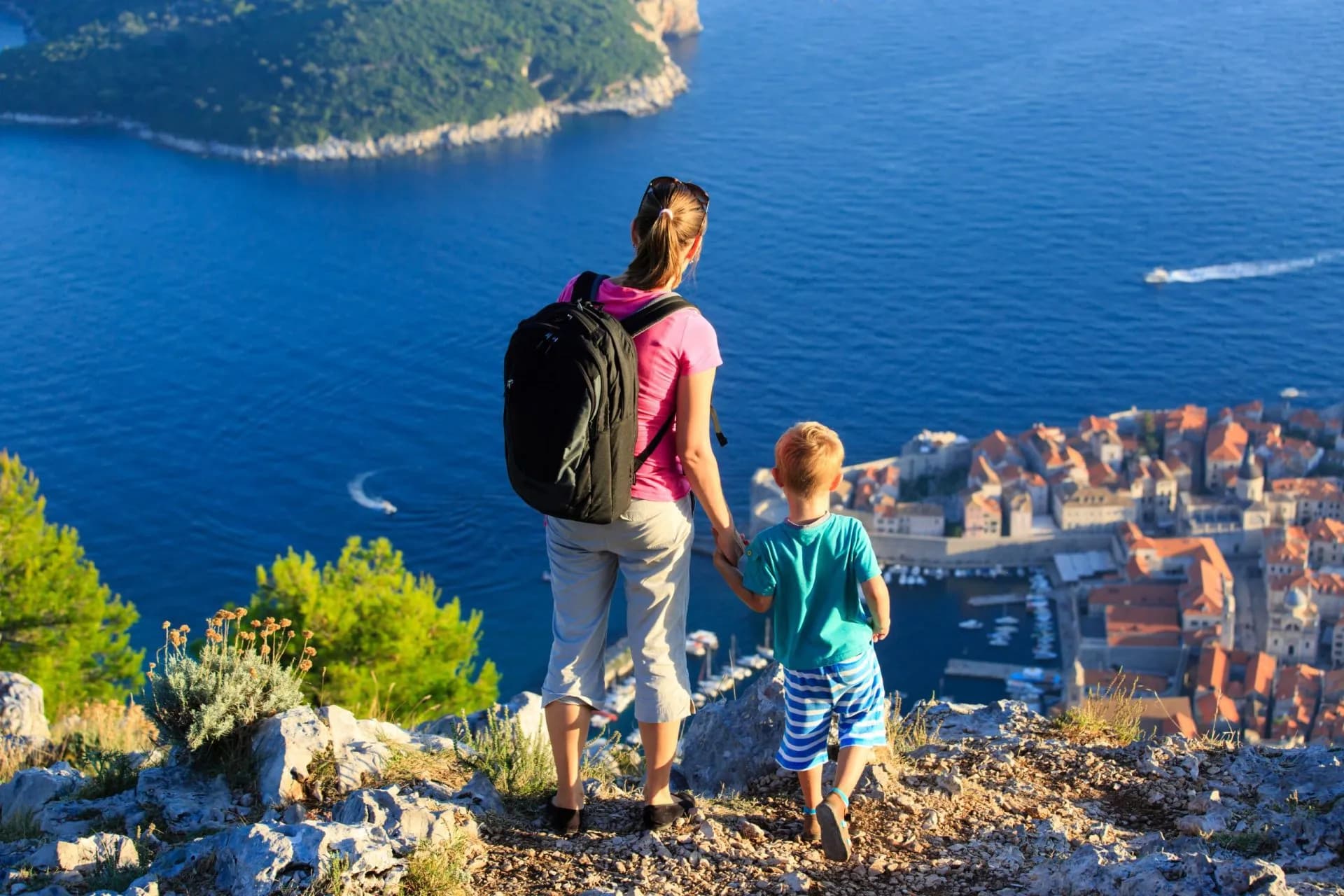
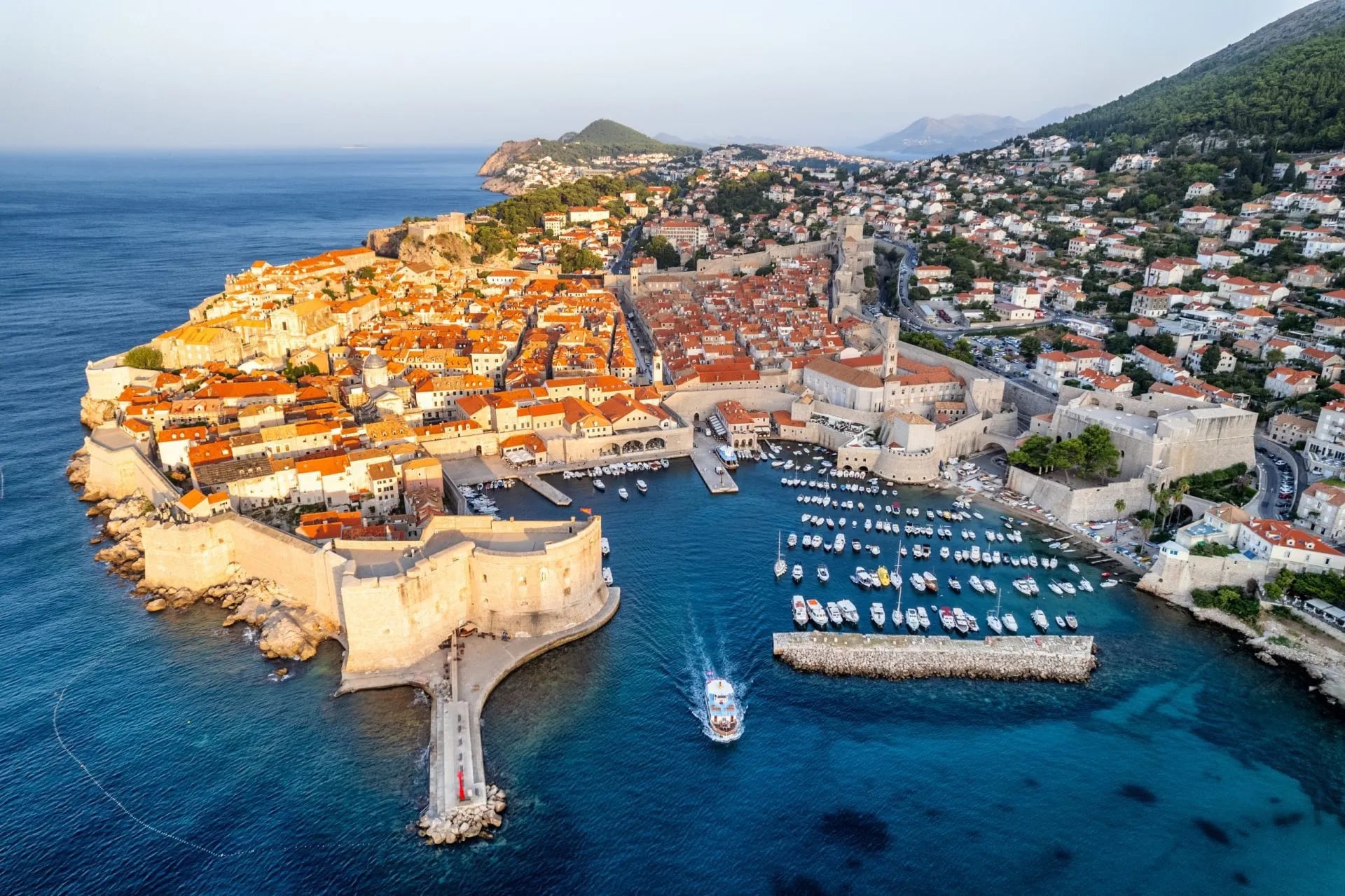
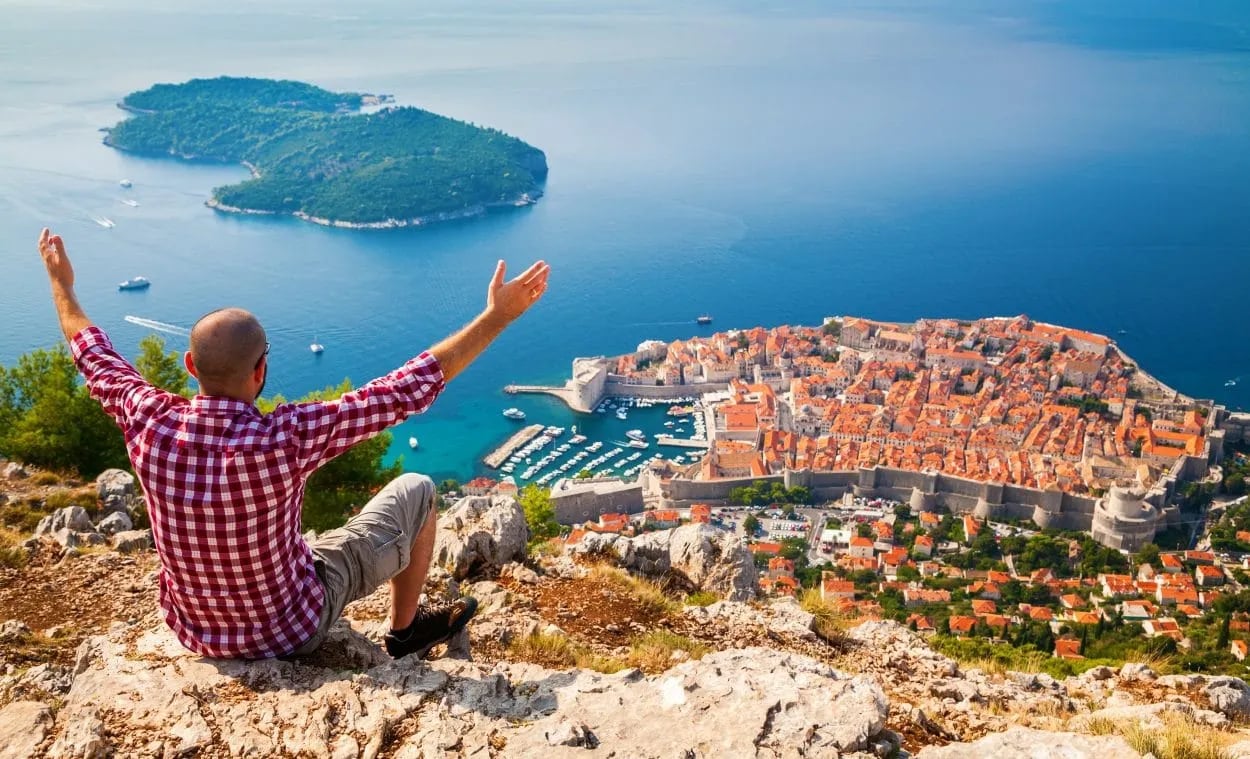
You rarely need boots for hiking in Dubrovnik, Croatia. The walled old town sits below Srđ, a bare 412 m hill, and a zigzag path climbs to the French fort on top. From there you look down on the roofs inside the walls and out to Lokrum.
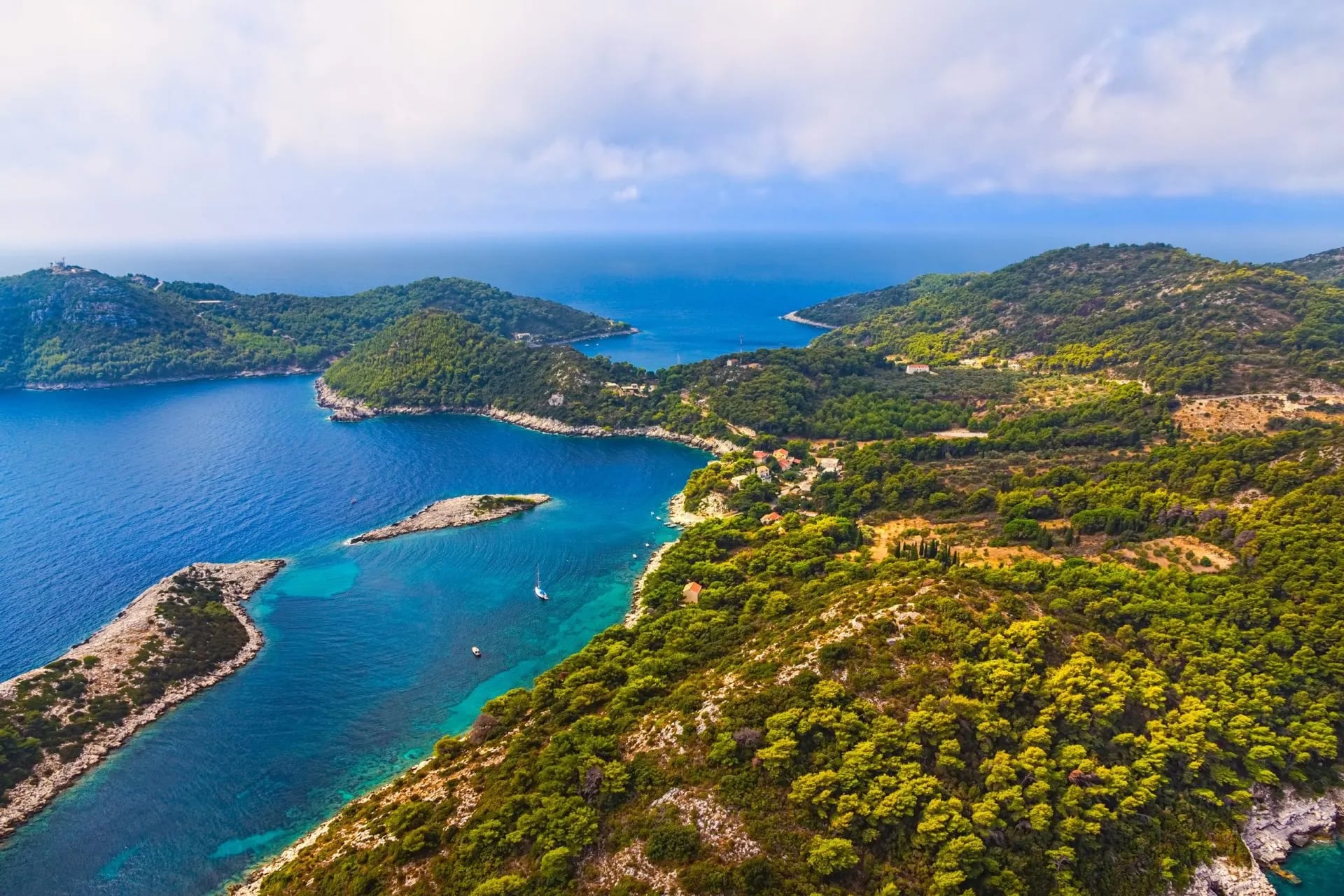
The rest of the walking is on the islands, so you plan most days around a boat. Lokrum's pine woods are fifteen minutes from the old port, and Šipan's vineyards and Lopud's sandy bay are an hour or so away on the Elafiti ferry.
Further west, the loop round Mljet's two salt lakes is one of the best walks in Croatia. Eight walks are worth doing, and on the island days you can usually stop for a tavern lunch and a swim.
The essentials:
Where: the old town, Mount Srđ above it, Lokrum, the Elafiti islands and Mljet.
What: eight walks from the 1,940 m walls circuit to a 12 km loop round the Mljet lakes.
Difficulty: easy; the biggest hill is Srđ, with 255 m of elevation gain on the path.
When: April to June and September to October.
Why Walk From Dubrovnik
Most visitors see Dubrovnik from the walls and Stradun, then leave. The old town works better as a base than as the walk itself. Within an hour of the gates you can stand on Srđ at 412 m, cross a nature reserve on Lokrum, or walk an island with no cars at all.
The ground suits walkers rather than mountaineers. Paths are old mule tracks, island lanes and park trails through pine and holm oak, and every walk is marked or follows the only lane on the island. Šipan and Mljet see a fraction of the old town's crowds, and on Lopud the only traffic is the odd electric cart.
The 8 Best Walks in Dubrovnik
On the eight walks you climb to three hilltop forts and pass three monasteries, one of them on an islet in the middle of a salt lake.
The walking week comes first because it strings three of the island walks together with the hotels, ferries and luggage arranged. The other seven follow from the city outwards, with the islands in order of how long the boat takes.
1. The Dubrovnik and Islands Week: Šipan, Mljet and Srđ
Walking: 29.7 km over three island days of 10, 12 and 7.7 km
Elevation gain: 630 m in total, with 320 m on the Montokuc day
Nights: four in Dubrovnik, two on Mljet, all with breakfast
Grade: 1 out of 5, self-guided with a guidebook and GPS app
Season: April to September
Our seven-day Dubrovnik and Croatia Islands walking holiday is a self-guided week based in the city, with two nights on Mljet. You walk Šipan, the Mljet lakes and Montokuc, and the ferries, hotels and luggage are booked before you arrive.
The daily distances are short on purpose. The longest day is 12 km with 170 m of elevation gain, which leaves time for lunch in a tavern and a swim. It is graded 1 out of 5 for both fitness and terrain, our easiest grade in Croatia.
Šipan lies north-west along the Elafiti chain and Mljet further west, both reached by boat from Gruž, so no day needs a car. The two Mljet nights save a return crossing and leave you inside the park when the day visitors' boats have gone.
Arrive at Dubrovnik airport and transfer to the hotel, arranged on request. The afternoon is free to settle in and take a first walk into the old town.
A two-hour guided walk through the old town's marble streets and stairways, available as an extra. The afternoon is yours for the walls, Lokrum or the harbour.
The morning ferry from Gruž to Suđurađ, then 10 km with 140 m of elevation gain through vineyards, olive groves and pine to Šipanska Luka. Lunch in a local tavern before the walk and boat back.
The ferry to Mljet, then 12 km with 170 m of elevation gain on the north-west park trail around the salt lakes, with the solar boat to St Mary's islet. Night on Mljet.
7.7 km with 320 m of elevation gain through Aleppo pine to Montokuc, the viewpoint above the lakes and the Mljet channel. Second night on the island.
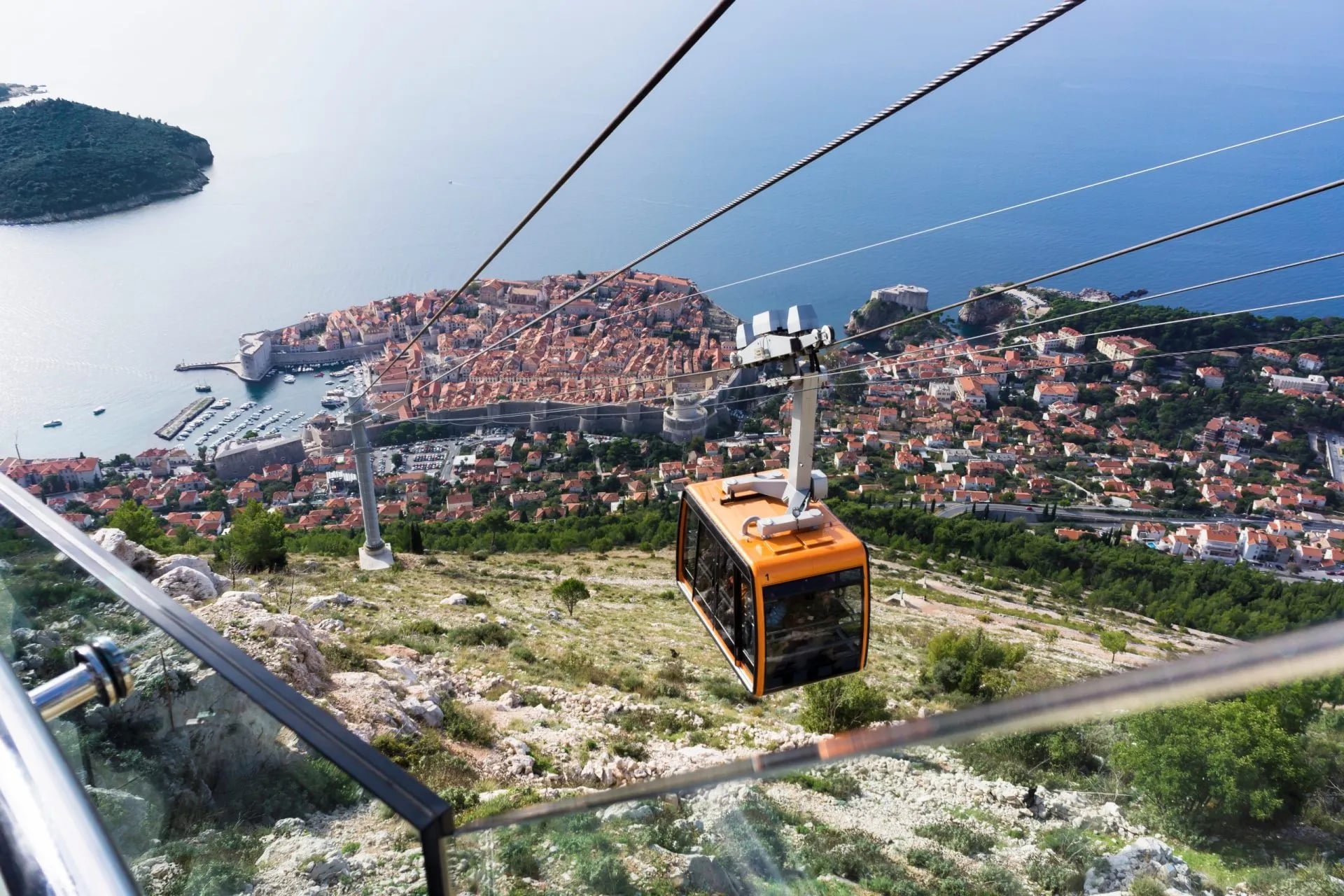
The boat back to Dubrovnik and a free day. Walk or ride the cable car up Srđ for the view over the old town, Lokrum and the Elafiti islands.
Breakfast, then the transfer to Dubrovnik airport on request, 22 km down the coast at Čilipi.
The price covers six nights in 3-star hotels with breakfast, the luggage transfers, the digital guidebook, the GPS app and support during the trip. The guided city walk on day 2 and the tourist tax are paid separately.
The other seven walks are ones you can do yourself from the city. Three of them are the days of the week, walked independently with a ferry timetable. One starts above the old town, one is on the walls and five need a boat.
2. Mount Srđ by the Serpentine Path
Distance: 2.1 km one way, with 255 m of elevation gain
Time: 40 minutes to an hour up; the cable car back down is optional
Start: the path off Jadranska cesta, the road above the old town
At the top: Fort Imperial, 1810, and the Homeland War museum
Srđ is the hill behind Dubrovnik and the reason the city looks the way it does from above. The path starts on the road above the old town and climbs in tight zigzags, with Stations of the Cross along the way. There is almost no shade after the first bend, so go early or late.
At the top stands Fort Imperial, built by the French in 1810 and shelled during the siege of 1991. It now holds a museum of the Homeland War. The cable car station is next to it, so you can walk up and ride down for €17 one way.
3. Lokrum Island
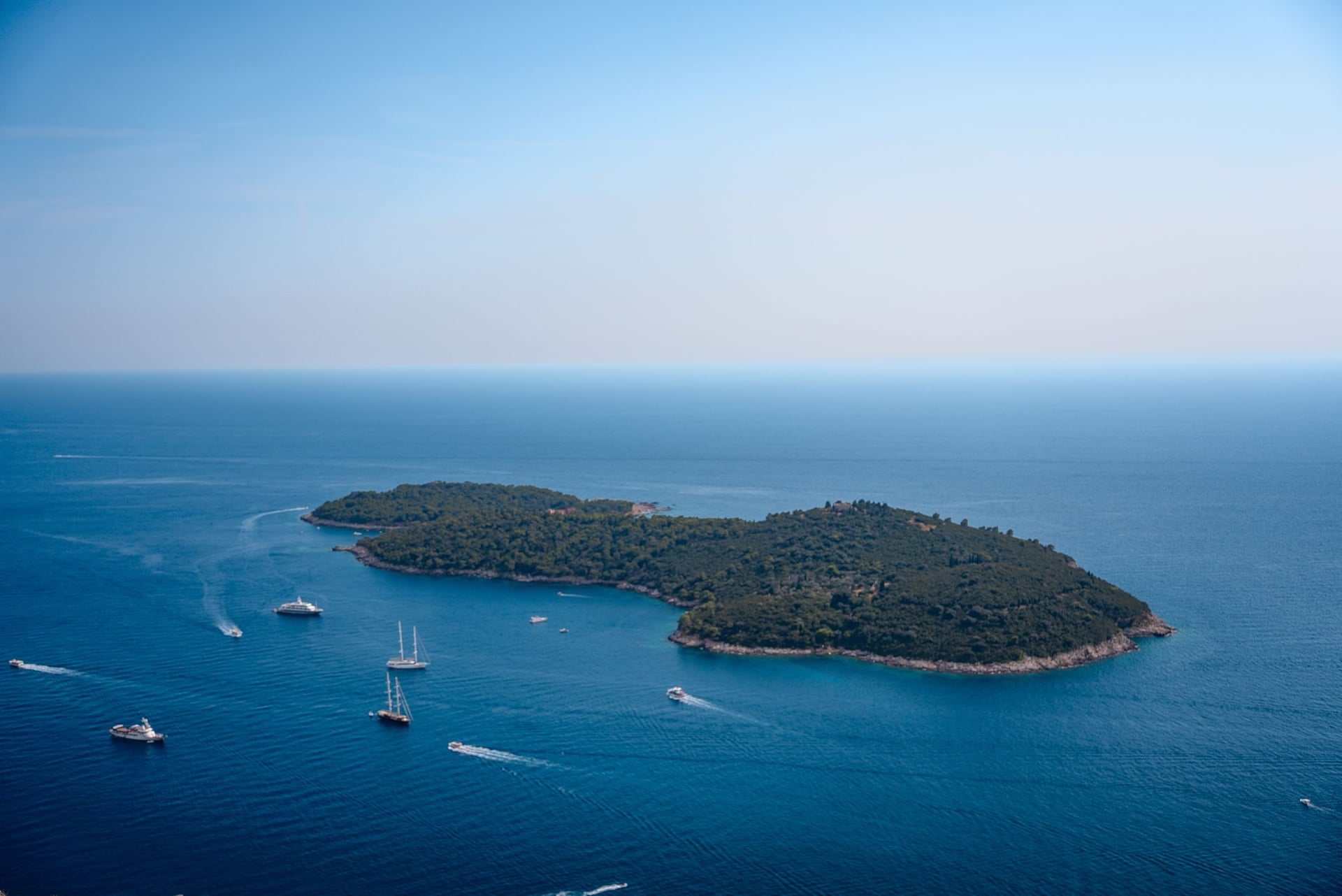
Size: 0.8 km² of pine and holm oak, with no cars and no overnight stays
Boat: about 15 minutes from the old port, every 30 to 60 minutes in season
Ticket: €30 in 2026, including the return boat and the reserve
Sights: the monastery, Fort Royal, the botanical garden, the Dead Sea
Lokrum sits 600 m off the old port, so you can be walking there within twenty minutes of leaving your hotel. The whole island is a nature reserve, with no cars and no overnight stays.
The paths join a Benedictine monastery first recorded in 1023, a botanical garden planted in 1959 and Fort Royal on the 96 m summit. The French began the fort in 1806 and the Austrians finished it in 1835. The Dead Sea is a small salt lake joined to the open sea, the calmest swim on the island.
4. The City Walls
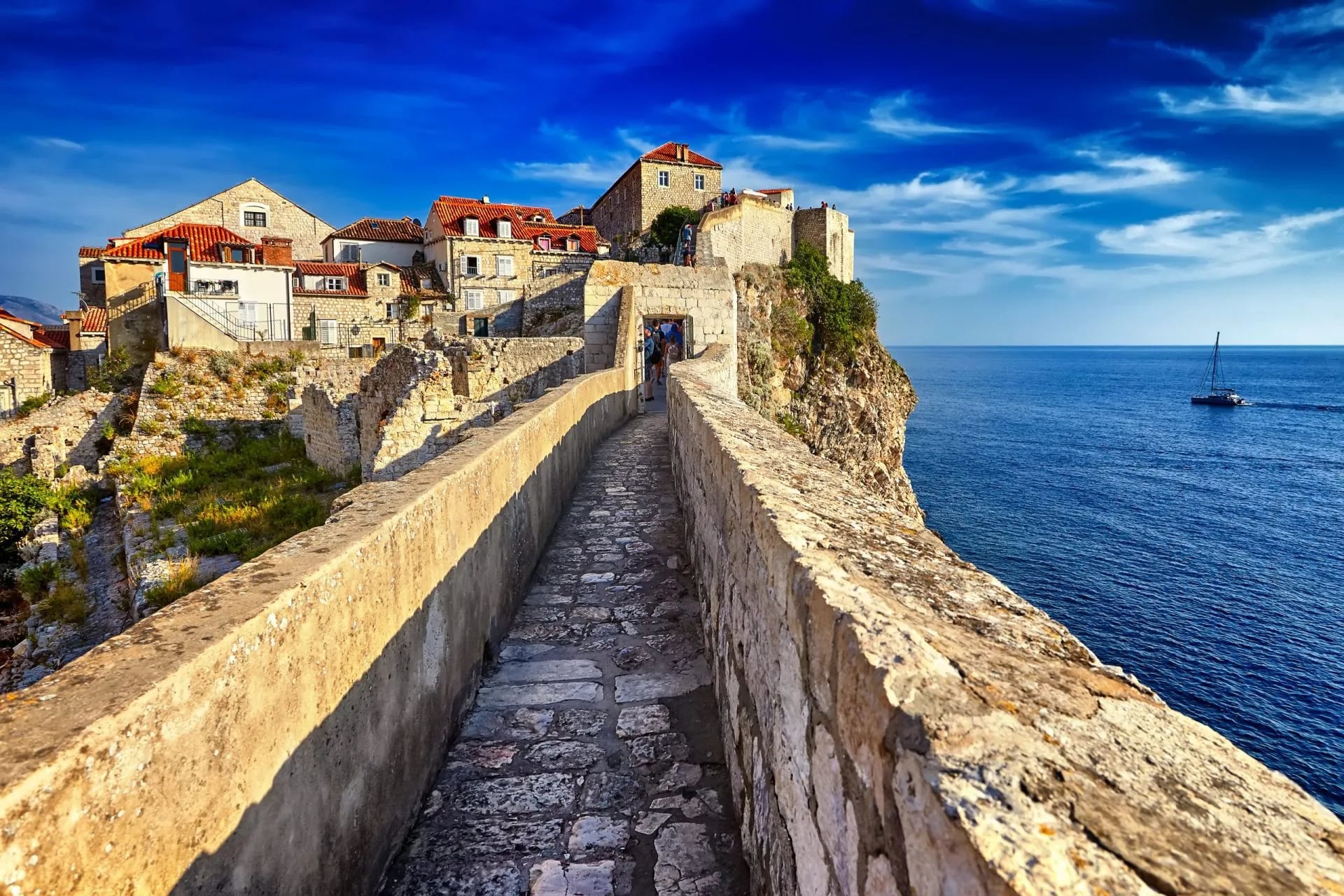
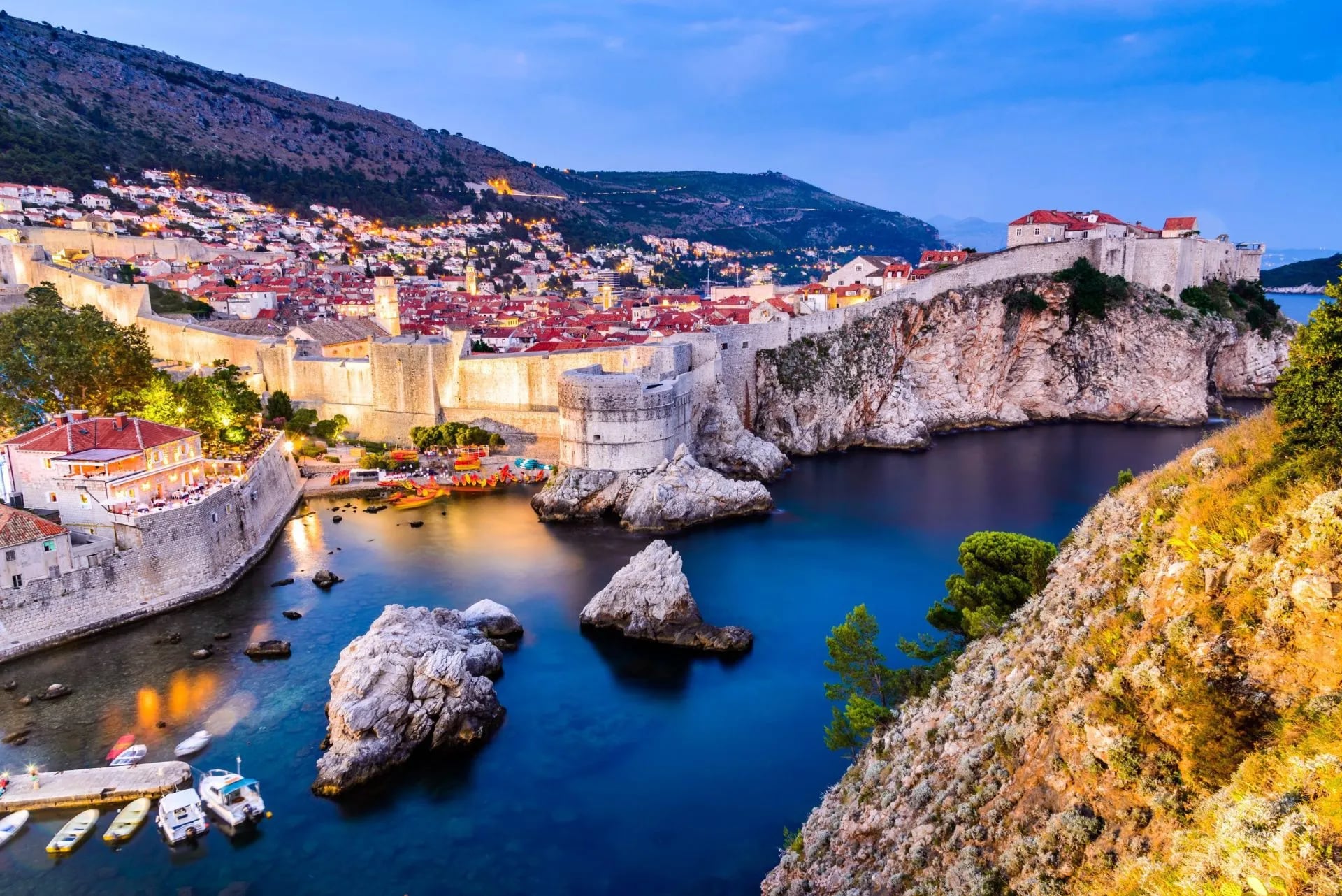
Distance: 1,940 m round the old town, up to 25 m high
Time: 1.5 to 2 hours with stops
Ticket: €40 in the 2026 main season, including Fort Lovrijenac
Entrances: Pile Gate, Ploče Gate and St John's Fort by the old port
The Dubrovnik wall walk is the one everyone does, and it is short. The circuit is 1,940 m and takes 1.5 to 2 hours, most of it on steps. The walls are the most crowded walk in Dubrovnik. The ticket covers Fort Lovrijenac outside the Pile Gate as well.
The walls open at about 8am for most of the year. Arrive then, or enter at St John's Fort rather than the Pile Gate, and you can have the seaward side almost to yourself. The Minčeta tower, finished in 1464, is the high point of the circuit.
5. Šipan: Suđurađ to Šipanska Luka
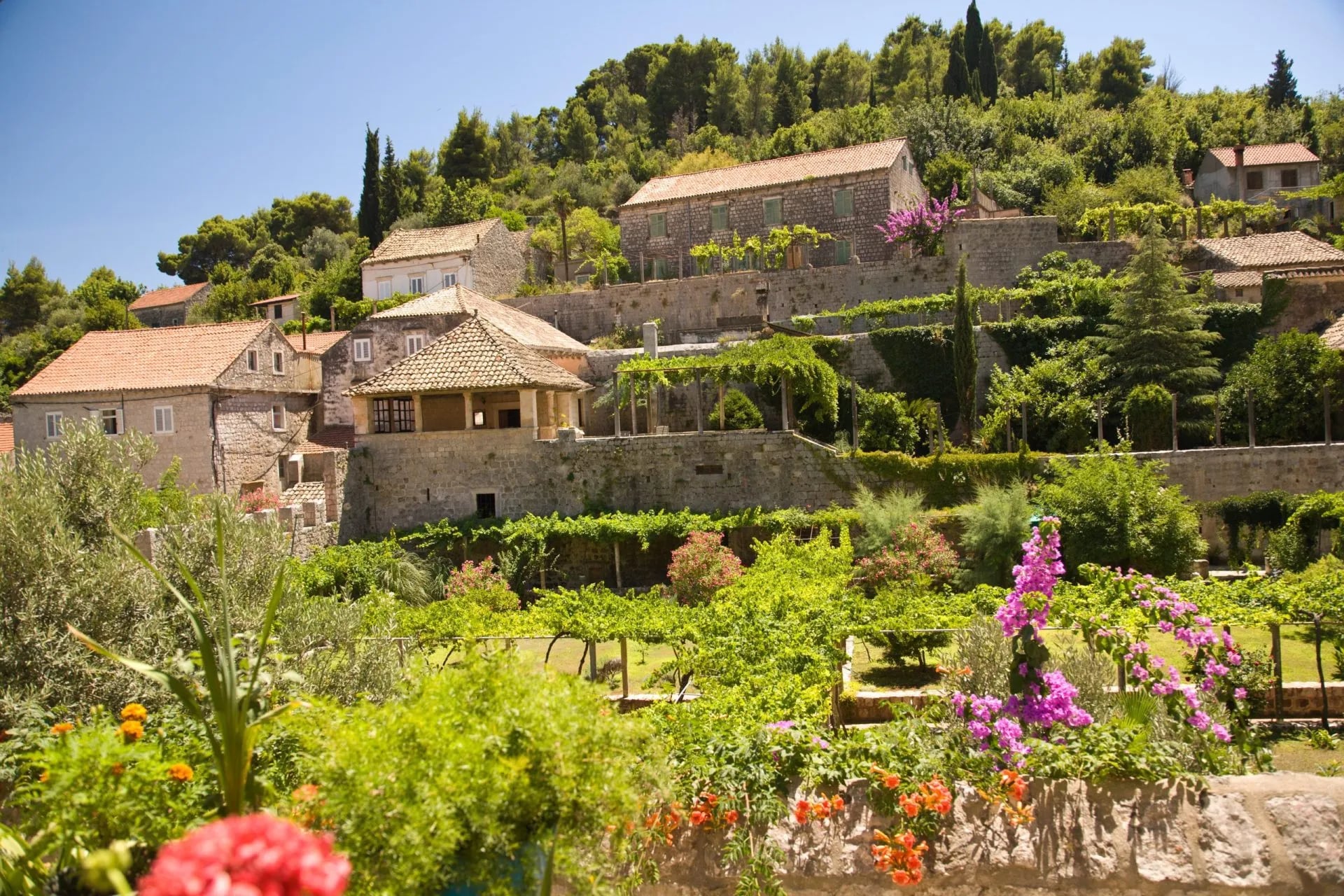
Distance: 10 km return, with 140 m of elevation gain
Ferry: Jadrolinija line 807 from Gruž, 70 to 80 minutes, €5.40 in summer
Terrain: a quiet lane through the valley between the two villages
Our week: day 3, see entry 1
Šipan is the largest of the Elafiti islands and one of the quietest, with two villages at either end of a long green valley. The ferry lands at Suđurađ, where the Skočibuha family built a fortified summer house in the sixteenth century.
The walk crosses the valley floor through vineyards, olive groves and pine to Šipanska Luka at the far end. There is barely a hill in the whole 10 km. Lunch at a tavern in Šipanska Luka is the traditional halfway point, and on our week it is part of the day.
6. Mljet: The Salt Lakes Loop
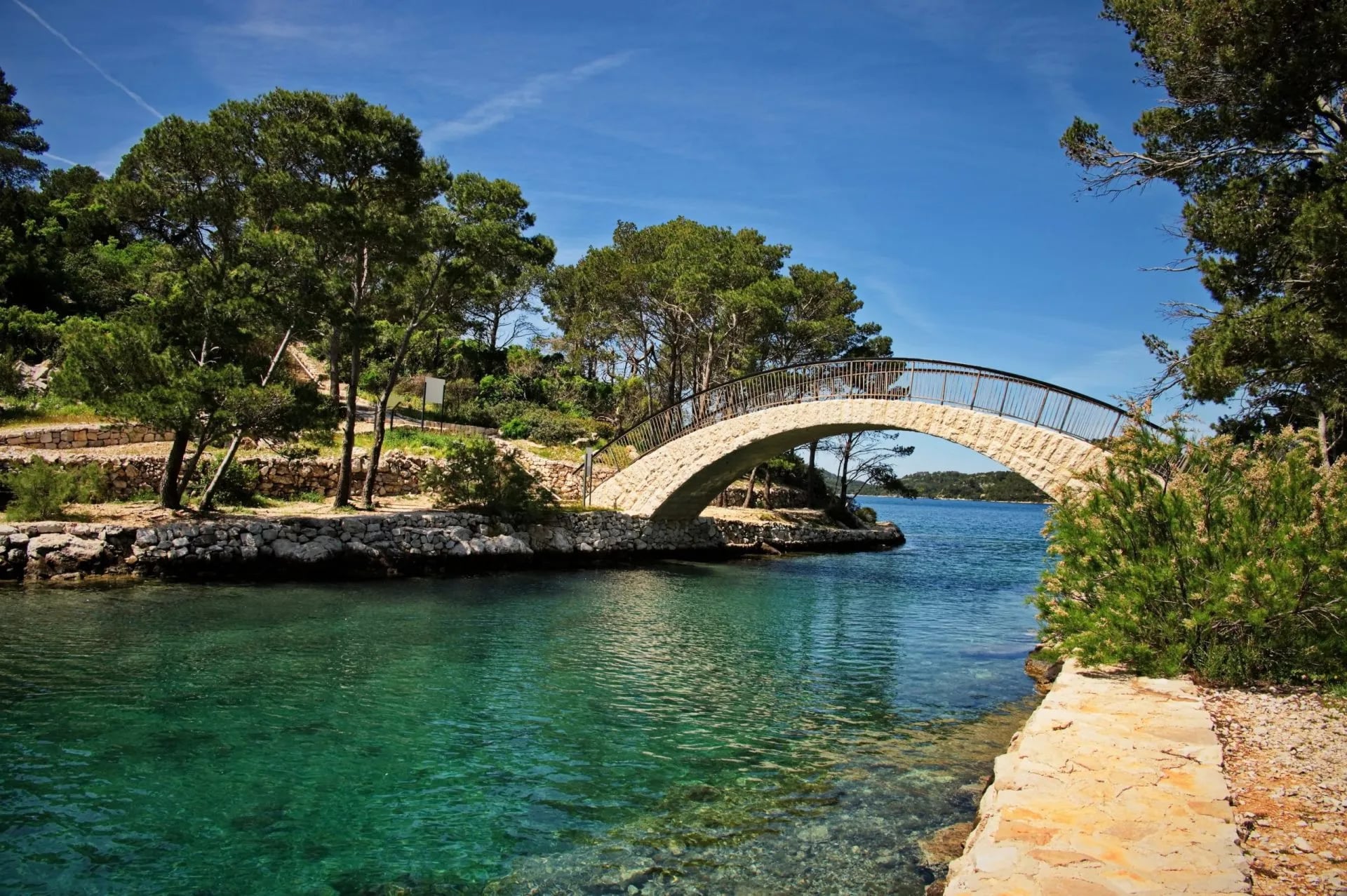
Distance: 12 km, with 170 m of elevation gain
Ferry: catamaran from Gruž to Pomena, about 1 hour 15 to 1 hour 30, May to October
Our week: day 4, see entry 1
Mljet National Park covers the western third of the island and has been protected since 1960. At its heart are two salt lakes, Veliko and Malo jezero, joined to each other and to the sea by narrow channels.
The trail runs round both lakes on a flat shore path under pine. The ticket includes the solar boat to St Mary's islet, where a Benedictine monastery stands in the middle of the larger lake. The loop makes a long day trip from Dubrovnik, so on our week you stay the night.
7. Montokuc, the Mljet Viewpoint
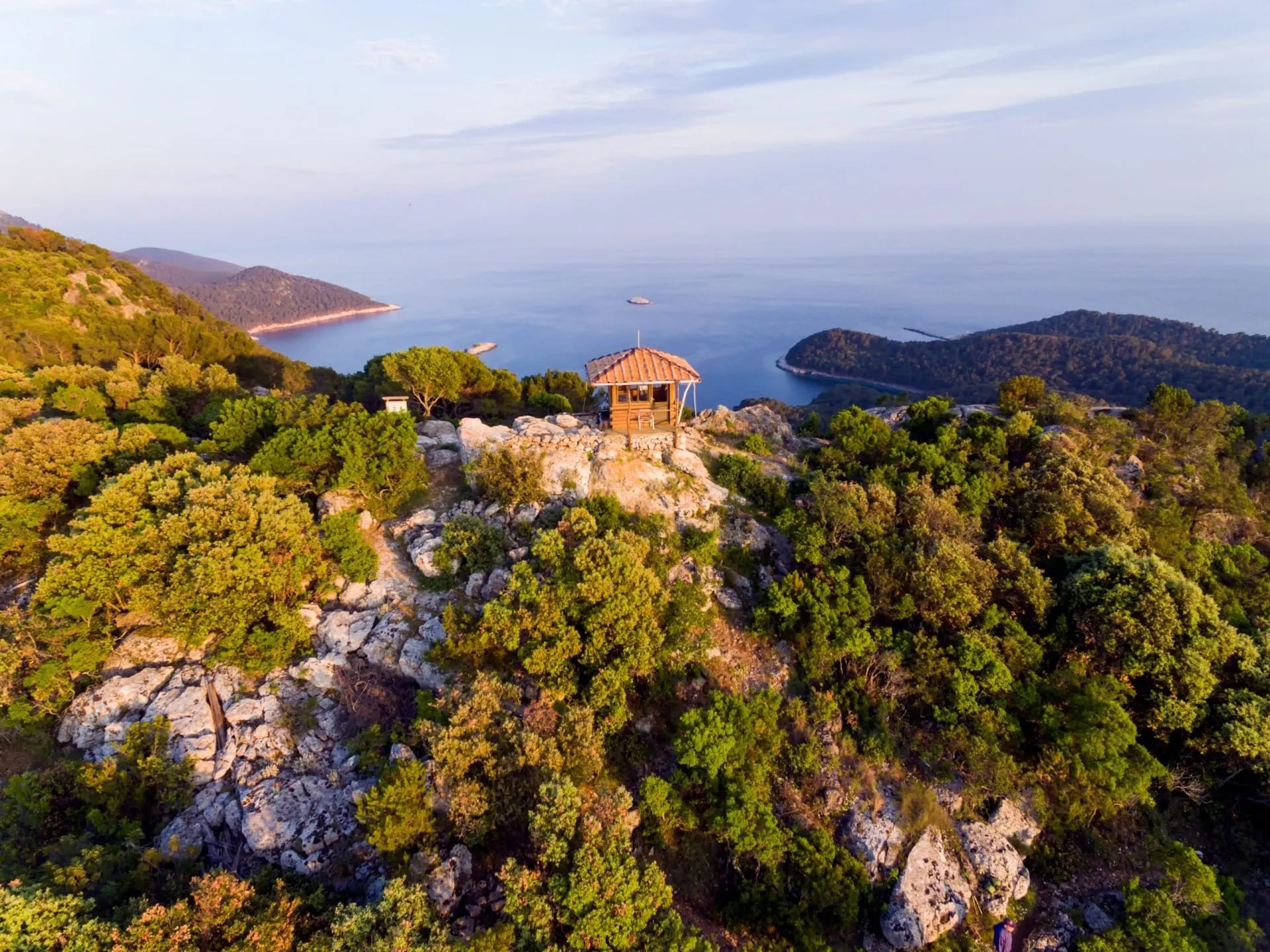
Distance: 7.7 km, with 320 m of elevation gain
Summit: about 250 m, with a wooden viewing tower
Start: Polače or Pomena, both on the park's marked trails
Our week: day 5, see entry 1
Montokuc is the high point above the lakes, a forested hill of Aleppo pine. The marked path climbs from the lakes or from Polače on the north coast, and the last stretch is steep enough to feel like a hill walk.
From the top you see both lakes, St Mary's islet and the long ridge of the Pelješac peninsula across the channel. The walk is inside the national park, so the same park ticket covers it.
8. Lopud: Šunj Bay and the Fort
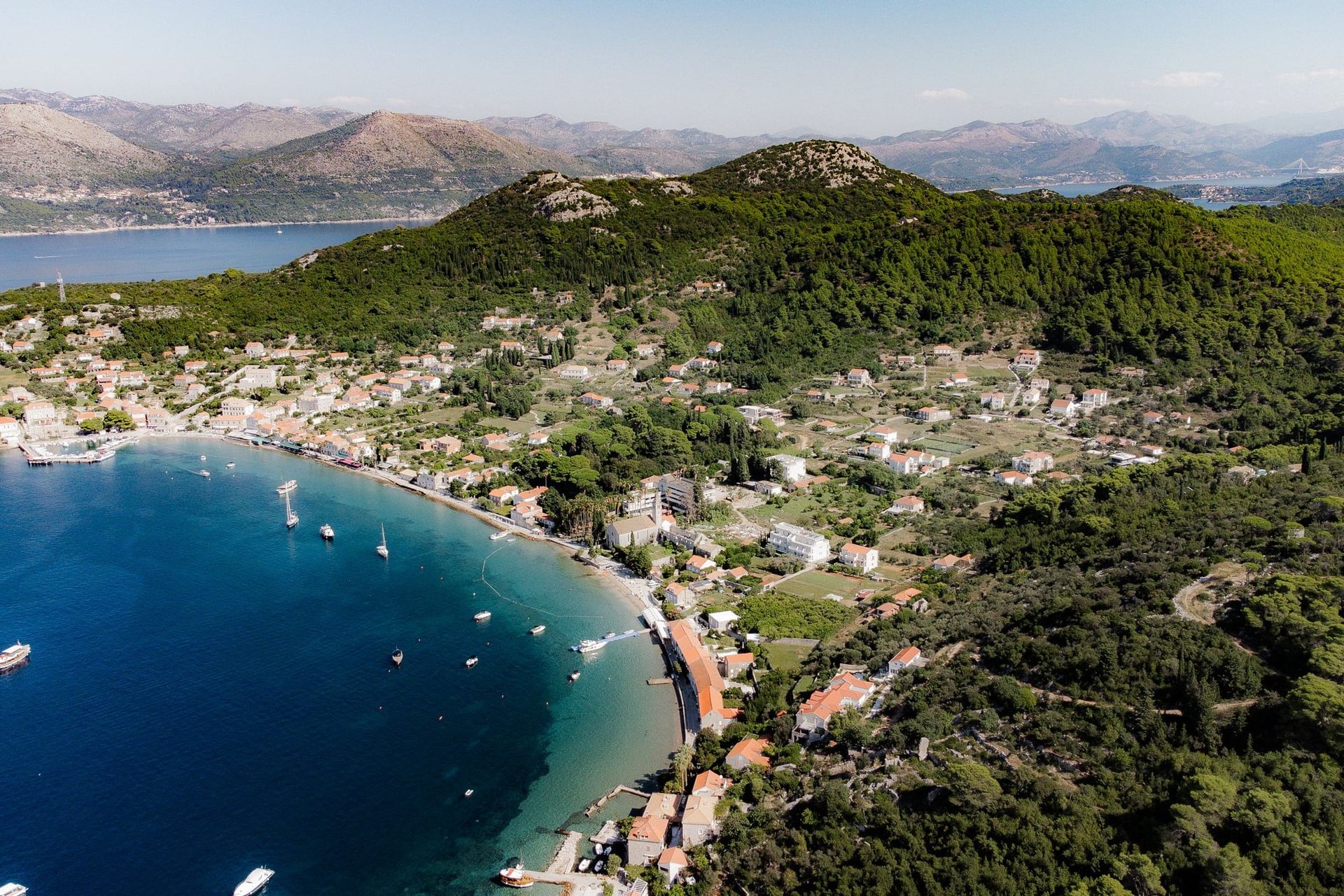
Time: about 20 minutes each way on the direct lane, 45 by the fort
Terrain: a village lane and a hill path, no cars anywhere on the island
Ferry: Jadrolinija from Gruž, just under an hour via Koločep
Sights: the Franciscan monastery, 1483, and the Sutvrač fort, 1563
Lopud has no cars, so every trip on the island is a walk. The ferry lands at the village, where the Franciscan monastery has stood over the bay since 1483.
Two paths cross the island to Šunj, the only sandy beach on Lopud. The direct lane takes about twenty minutes. The longer path climbs to the ruined Sutvrač fort of 1563 on the island's high point, and it gives the best view of all the Elafiti islands. Take one route out and the other back.
Boats, Tickets and Timetables
The Elafiti ferry calls at Koločep and Lopud on its way to Šipan, so from the deck you see all three inhabited islands of the chain.
Five of the eight walks start with a boat, and each leaves from one of two harbours. The harbour matters more than the timetable, because the old port and Gruž are 3 km apart.
Dubrovnik's old port under the walls, where the 15-minute Lokrum boats leave
Small boats leave the old port inside the walls every 30 to 60 minutes in season, from about 9am, and take about 15 minutes. The €30 Lokrum ticket in 2026 includes the return boat and the reserve. The last boat back leaves in the early evening, and nobody stays overnight.
Dubrovnik's old port under the walls, where the 15-minute Lokrum boats leave
The coast west of Dubrovnik towards the Elafiti islands, reached on Jadrolinija line 807 from Gruž
Jadrolinija line 807 leaves Gruž for Koločep, Lopud and Suđurađ on Šipan. Lopud is just under an hour, Šipan 70 to 80 minutes, and a single fare is €5.40 in summer and €3.40 the rest of the year. City buses link the Pile Gate and Gruž in about 15 minutes.
The coast west of Dubrovnik towards the Elafiti islands, reached on Jadrolinija line 807 from Gruž
The salt lakes of Mljet National Park, 1 hour 15 to 1 hour 30 from Gruž by catamaran
Catamarans run from Gruž to Pomena, the park end of Mljet, from May to October, in about 1 hour 15 to 1 hour 30. Book ahead in summer, because they fill with day visitors. The Mljet park ticket, €20 or €30 by month, includes the solar boat to St Mary's islet.
The salt lakes of Mljet National Park, 1 hour 15 to 1 hour 30 from Gruž by catamaran
When to Go Hiking in Dubrovnik, Croatia
In an average May or October only three to five days in Dubrovnik reach 25°C, against almost every day in July, so you can walk at midday.
April to June and September to October are the walking months. The right one depends on what you want most, because heat and crowds peak in the same weeks.
St Mary's islet on Mljet's larger salt lake, a quiet walk before the summer boats arrive
Green islands, empty lanes on Šipan and Lopud, and the ferries back on their full timetables. The Mljet catamarans start in May, and the sea is swimmable from late May.
St Mary's islet on Mljet's larger salt lake, a quiet walk before the summer boats arrive
Fort Lovrijenac and the sea below the walls, warm enough for a swim by June
Long days and a warm sea before the school holidays. Walk the walls at opening, around 8am, and the island paths in the afternoon.
Fort Lovrijenac and the sea below the walls, warm enough for a swim by June
Stradun at midday in summer, when cruise-ship crowds fill the old town
30°C afternoons, and cruise-ship crowds fill the walls and Stradun from mid-morning. Walk Srđ at dawn and save the islands for the hottest hours, when the boats carry a breeze.
Stradun at midday in summer, when cruise-ship crowds fill the old town
The old town's roofs and Lokrum in autumn, when the heat has gone from Srđ
The sea at its warmest and the crowds thinning. October is the best month for Srđ, with the heat gone and the light clear, and the Mljet catamarans run until the end of the month.
The old town's roofs and Lokrum in autumn, when the heat has gone from Srđ
In winter the walls stay open with shorter hours. The Mljet catamarans stop, and the Lokrum boats run a limited service or none.
Sleep, Eat and Walk
Every morning farmers from the villages around Dubrovnik sell fruit and vegetables on Gundulić Square behind the cathedral, so you can stock up before an island walk.
The week bases you in 3-star hotels in Dubrovnik for four nights and on Mljet for two. On the islands, lunch in a konoba is part of the walk, and on Šipan it is the traditional halfway stop.
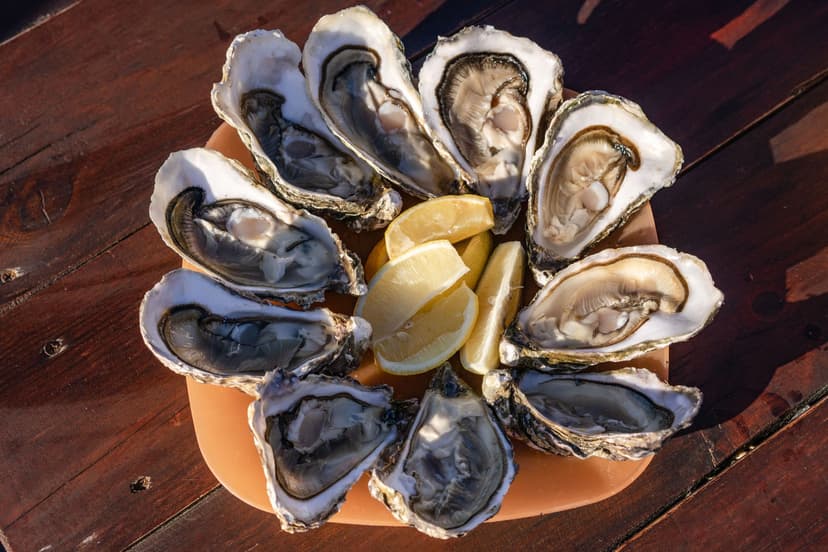
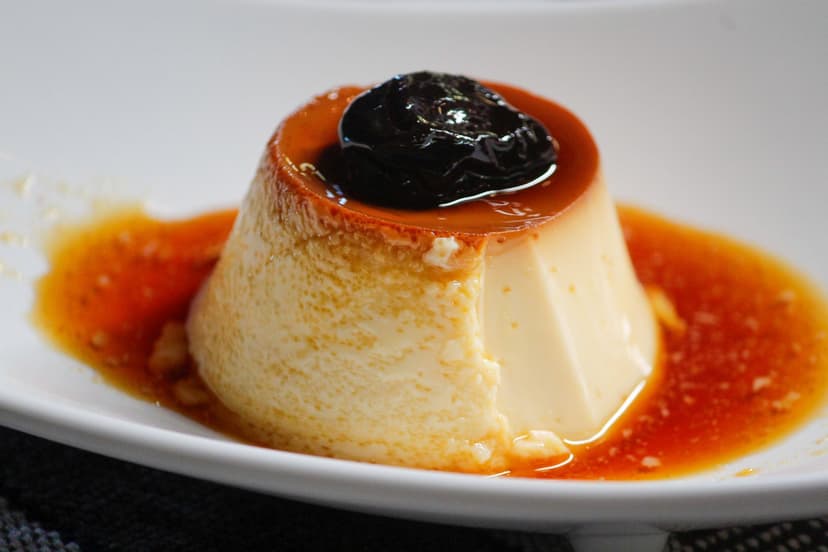
Dubrovnik's food is Dalmatian with a few dishes of its own. These four are worth looking for after a day on the paths.
Getting There
You can do every walk from Dubrovnik without a car, because each one starts within walking distance of the old town or at a ferry quay.
Dubrovnik airport is at Čilipi, 22 km south-east of the old town. The Platanus shuttle bus meets every flight and reaches the Ploče Gate in about 30 minutes, then continues to Gruž. A one-way ticket costs €10, or €15 return.
On the week the airport transfers are available on request and every ferry is booked in advance. Independently, check the Jadrolinija timetable the day before, because summer and winter sailings differ.
How Much It Costs
The path up Srđ costs nothing, and the walks on Šipan and Lopud cost only a ferry fare of a few euros each way.
The week includes six nights in 3-star hotels with breakfast, the luggage transfers, the digital guidebook and GPS app, and support throughout. The guided city walk and the tourist tax are extra. Airport transfers and single rooms are available on request.
Independently, the tickets cost more than the boats. The 2026 prices:
Ticket | 2026 price |
City walls, main season | €40 |
Lokrum, with the boat | €30 |
Mljet National Park | €20 Oct to May, €30 Jun to Sep |
Cable car, return | €30 |
Ferry to Šipan, line 807 | €5 |
What to Pack
Trail shoes with a firm sole are enough for every walk here, because the limestone is sharp but the paths are good. Add a sun hat, sun cream and at least a litre and a half of water per walk, since Srđ and Montokuc have no taps on the way. A small torch helps on Lokrum's fort tunnels.
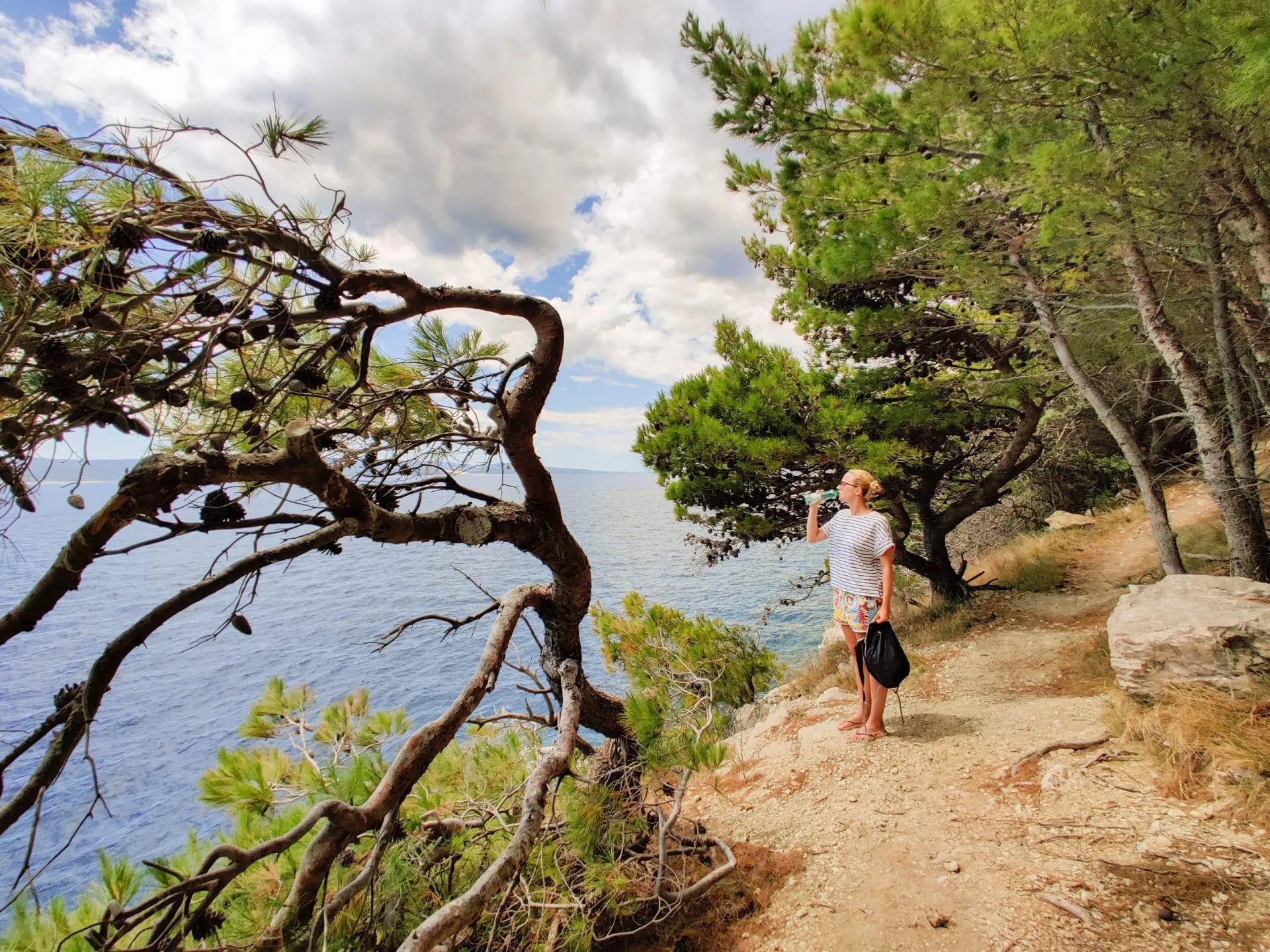
Swimwear belongs in every day pack, because Lokrum, Šunj and the Mljet lakes all end with a swim. A light layer helps on the morning ferries. Cash pays for island taverns that do not take cards, and there are few cash machines on Šipan and Mljet.
Ready to Walk Dubrovnik?
The Dubrovnik and Croatia Islands walking holiday walks Šipan, Mljet and Srđ from April to September. It includes:
Six nights in 3-star hotels with breakfast, two of them on Mljet
Luggage transfers between the hotels
Ferry bookings for the island days
The digital guidebook, GPS app and support during the trip
Frequently Asked Questions



Plan with a hiking expert
Free advice from a team that knows these routes inside out - real people, not a bot

HASSLE-FREE
We handle itineraries, accommodations, and anything else you prefer not to deal with, so you can enjoy a carefree hike.

BOOK WITH CONFIDENCE
We are a financially protected company, fully bonded and insured, keeping your money safe and allowing you to travel with confidence.

TRIED & TESTED ADVENTURES
Only the best walking tours in Croatia, cherry-picked by our team with an in-depth knowledge of the region.

UNBEATABLE SUPPORT
Our 24/7 customer support is where we show our passion, bringing you a better experience by making your well-being our number one priority.